3 AUDIO FORENSICS Secrets You Never Knew
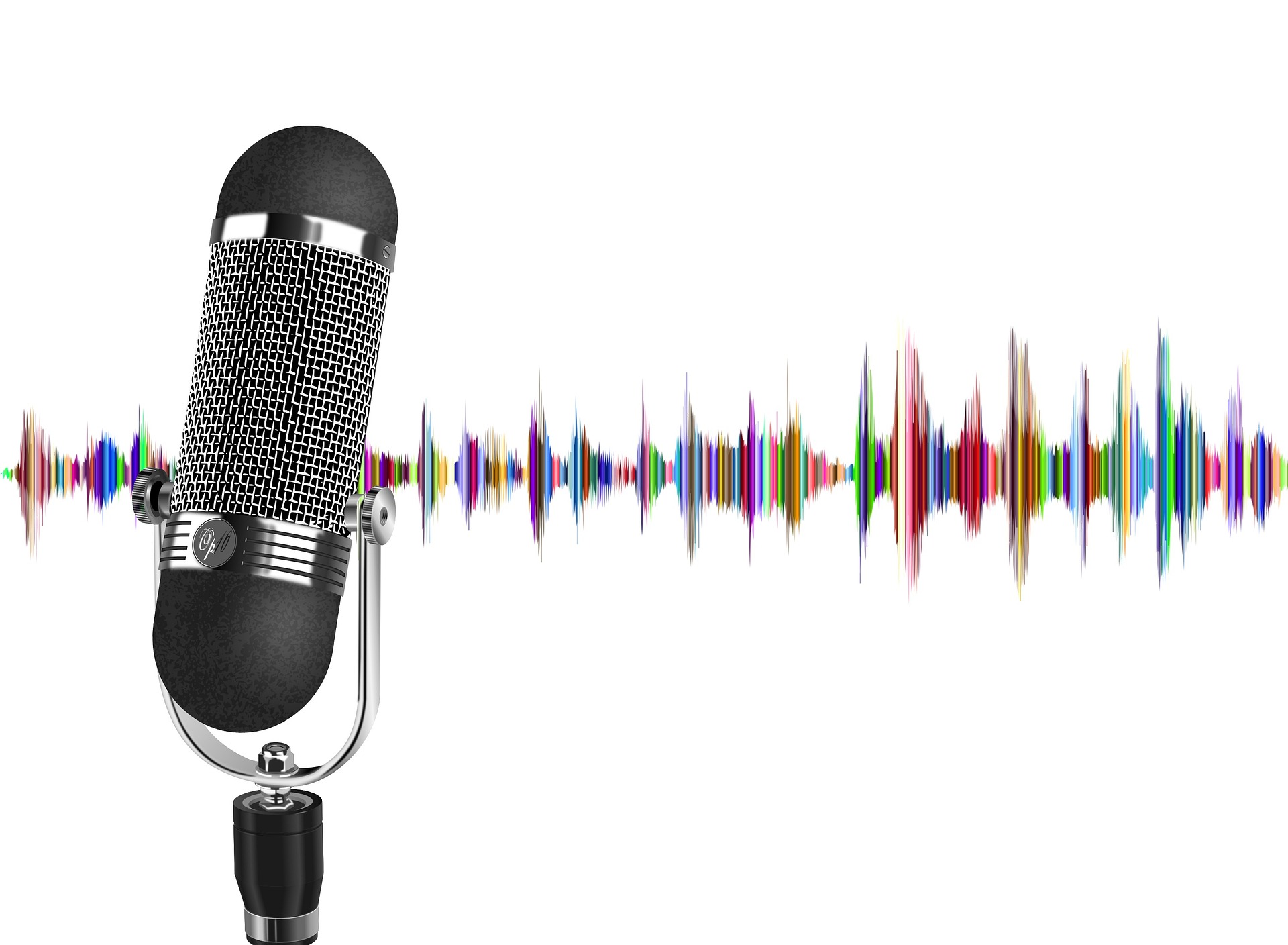
Audio forensics is one of the newer branches in the ancient science of crime scene analysis, blending human expertise with cutting-edge technology. Analysts use sophisticated software to enhance unclear recordings and match voices to individuals, ensuring the authenticity of digital evidence. In audio forensics, the goal is often to identify and preserve critical information that might otherwise be inaudible or misinterpreted. Here are three audio forensics secrets that may surprise you.
1. Detecting Attempts to Alter Results
One of the primary challenges in audio forensics is identifying tampered or altered recordings. While software tools can help pinpoint suspicious edits, one method that has been used for years involves listening for the distinct hum of the power grid. The hum, also known as the electronic network frequency, is typically found in almost all recordings, especially those made using analog equipment.
Power grids in the U.S. generally aim for a consistent 60 Hertz frequency, which fluctuates naturally in smooth, continuous waves. However, when a recording is edited—whether to hide something or adjust the content—this hum can shift unexpectedly. By analyzing the frequency shifts, forensic experts can detect signs of tampering.
The European power grid’s electronic network frequency has been recorded and stored in a database, allowing analysts to discern the exact time and date a recording was made based on the characteristics of the background hum. Unfortunately, this system isn’t available in the U.S., so investigators here rely on other methods to spot alterations. Despite sophisticated software tools designed to detect edits, analysts often cross-reference multiple sources to confirm a recording’s authenticity and ensure no false positives have been produced by the analysis.
2. Improving Sound Quality for Clarity
Even if a recording is confirmed to be authentic and unaltered, it may still be hard for a jury or judge to understand. In many legal settings, the clarity of an audio recording can be a crucial factor in its admissibility in court. Forensic experts may enhance the recording to ensure the information can be clearly understood, especially in cases where a recording contains background noise or is muffled.
One common technique involves lowering the volume of background sounds while amplifying the speaker’s voice. This can help reveal words or phrases that might be obscured by surrounding noise. Such adjustments are critical in cases where crucial evidence might be hidden in an unintelligible or inaudible recording. These enhancements are not just about improving sound quality—they’re often the key to uncovering vital details that could make or break a case.
3. The Art of Lie Detection Through Audio
Another intriguing aspect of audio forensics is using recordings to detect deception. While this isn’t an exact science, audio experts often analyze speech patterns for signs of stress, which can indicate dishonesty. When a person answers simple questions like “What is your name?” or “Where do you live?”, audio engineers will pay close attention to the rhythm of their speech. In particular, they will note the time gaps between words and how they compare to the person’s natural speech cadence.
Research has shown that stress can affect speech rhythm, causing pauses or changes in timing that might indicate nervousness or deceit. However, it’s important to note that changes in speech patterns don’t always indicate lying. Anxiety, hunger, or other factors can also influence how a person speaks. This is why audio analysis in forensic settings is often used alongside other methods, such as body language assessments or interviews with specialists, to help determine the truth.
It’s important to remember that audio analysis is not foolproof, and results can be challenged in court. Given that different analysts may adhere to slightly different methods or standards, audio forensics evidence is subject to scrutiny. In fact, the U.S. Secret Service and FBI have established peer-reviewed guidelines for audio and video forensics technicians, and they advocate for uniform standards across forensic laboratories. Even with these standards, however, any audio analysis presented in a trial can still be subject to legal challenges.
Final Thoughts
Audio forensics plays a pivotal role in modern criminal investigations, offering critical insights into the authenticity of recordings, potential alterations, and even the emotional state of the individuals involved. With advancements in technology and continued refinement of forensic techniques, the ability to extract valuable information from seemingly ordinary audio recordings has never been more precise. While challenges remain—especially in terms of ensuring consistent standards—audio forensics continues to be an essential tool in the pursuit of justice.