What They Don’t Tell You About Audio Forensics
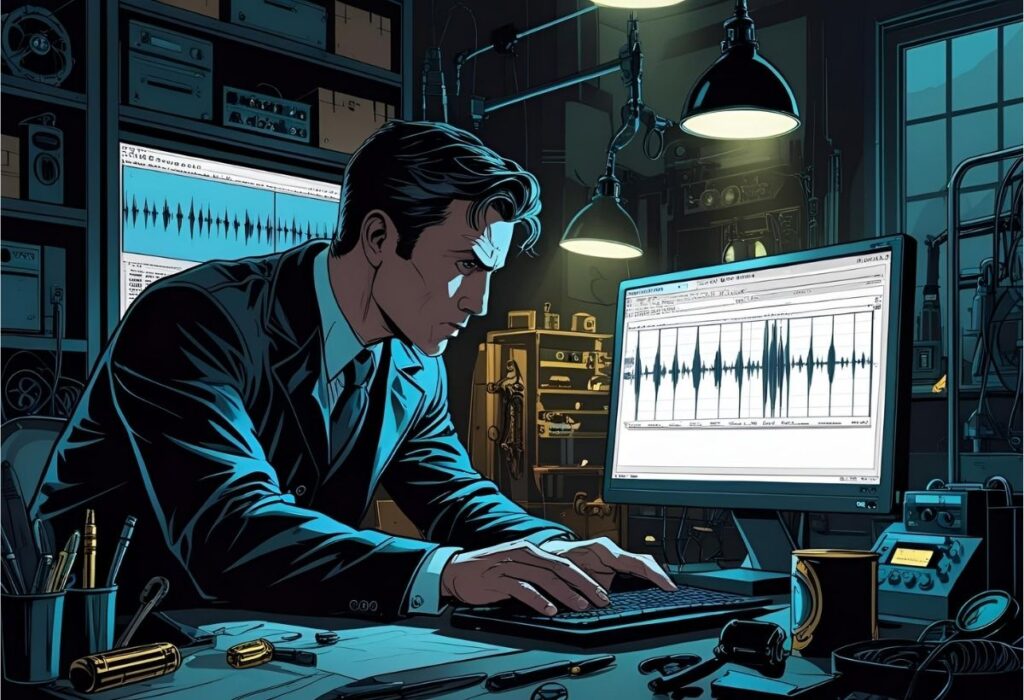
Audio forensics has long been a fascinating—yet often misunderstood—corner of digital investigation. From decoding garbled recordings to authenticating voice samples in high-stakes court cases, audio forensics plays a vital role in uncovering the truth. But what most people don’t realize is that this discipline is more complex, technical, and ethically nuanced than TV dramas or documentaries let on.
Here’s what they don’t tell you about audio forensics—but what every serious investigator, lawyer, or curious observer should know.
1. It’s More Than Just “Cleaning Up” Noisy Audio
One of the biggest misconceptions is that audio forensics is just about removing background noise or enhancing quiet voices. While enhancement is part of the process, the real job involves preserving the integrity of evidence while analyzing it for clues that may not be audible to the human ear.
What you might not know:
-
Overprocessing audio can render it inadmissible in court.
-
Noise reduction is limited by the original recording’s quality.
-
Analysts often spend more time analyzing than enhancing.
2. Authenticity Is the Name of the Game
In a world where deepfakes and audio manipulation are growing threats, authenticating an audio file is often more critical than enhancing it. Analysts look for signs of tampering—cut points, inconsistencies in the background noise, compression artifacts, and digital fingerprints.
Common tasks include:
-
Verifying that a recording is original and unaltered
-
Identifying editing or splicing
-
Matching voice characteristics to known speakers
-
Checking metadata for inconsistencies
3. Voice Identification Isn’t Foolproof
Voice comparison is frequently requested, especially in legal or corporate settings. But here’s the catch: forensic voice identification is not always conclusive and, in many jurisdictions, cannot stand alone as definitive evidence.
What they don’t tell you:
-
Accents, emotions, illness, and stress can affect voice patterns
-
Background noise or poor quality recordings can limit accuracy
-
It usually supports other evidence rather than replacing it
4. Chain of Custody Is Everything
Like any type of forensic evidence, audio recordings must follow strict chain of custody procedures to ensure their integrity. If mishandled—even unintentionally—the recording could be ruled inadmissible in court.
Analysts must:
-
Document every step of file handling
-
Use verified tools and methods
-
Maintain original files without alteration
Pro tip: Always work on a copy, never the original.
5. Tools Matter—But So Does Training
There’s a wide array of professional-grade tools like Adobe Audition, iZotope RX, Audacity (with forensic plugins), and Cognitech. But even the best tools are useless without deep knowledge of digital signal processing (DSP), acoustics, and legal standards.
What separates experts from amateurs:
-
Ability to interpret spectrograms and waveforms
-
Understanding of psychoacoustics
-
Awareness of evidentiary standards in local courts
6. Ethical Dilemmas Are Common
Audio forensics isn’t just technical—it’s ethical. Analysts often face tough decisions, especially when dealing with private conversations, politically sensitive materials, or recordings that could alter someone’s life.
Ethical concerns may include:
-
Privacy violations in unauthorized recordings
-
Bias or pressure from clients to deliver specific outcomes
-
Responsibility for presenting limitations in findings clearly
7. Not All Evidence Is What It Seems
Audio evidence can be compelling, but it can also be misleading. Context is everything. A single phrase taken out of a 60-minute conversation could sway a court—or ruin a reputation.
Behind the scenes, experts often:
-
Reconstruct full conversations to provide context
-
Compare audio against transcripts for accuracy
-
Use speaker separation to isolate individuals in a recording
Final Thought: It’s a Science and an Art
What they don’t tell you about audio forensics is that it’s not just pushing buttons or cleaning up sounds—it’s a blend of science, technology, law, and human judgment. From the courtroom to the crime lab, audio forensics demands precision, ethics, and a relentless commitment to uncovering the truth, one waveform at a time.