Computer Forensics vs. Cybersecurity: What’s the Difference?
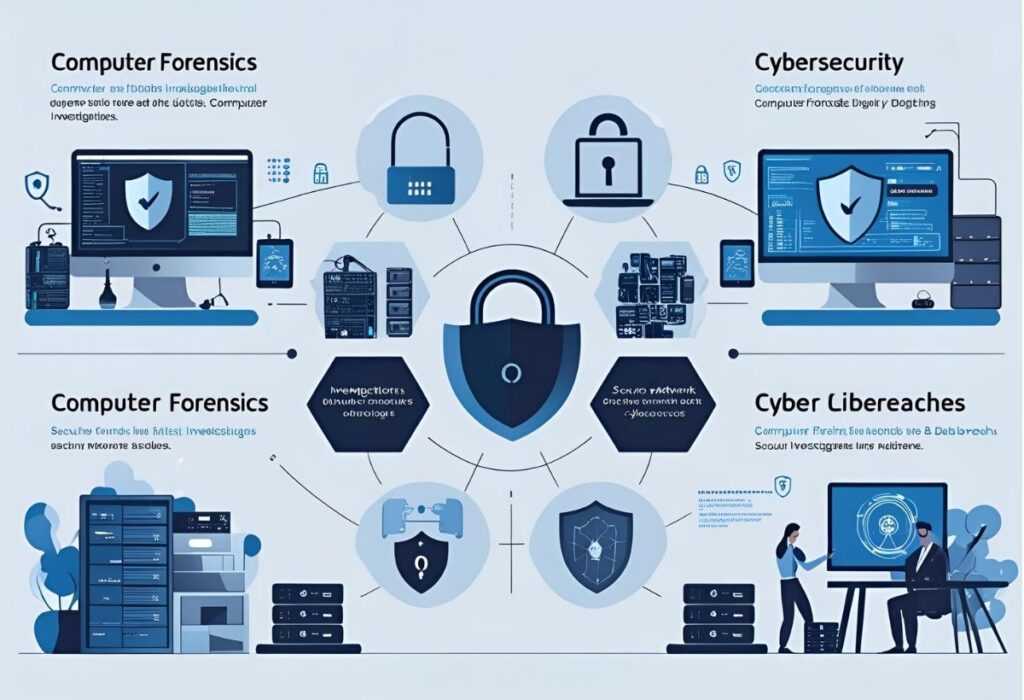
In the ever-evolving digital landscape, two fields have become vital to protecting data, investigating crimes, and ensuring the integrity of information systems: Computer Forensics and Cybersecurity.
While they often work hand-in-hand, these two disciplines serve very different purposes. If you’ve ever wondered what sets them apart—or whether a career in one might suit you better—this guide breaks down the key differences, roles, tools, and intersections of Computer Forensics and Cybersecurity.
What Is Cybersecurity?
Cybersecurity is the practice of defending networks, systems, and data from unauthorized access, attacks, damage, or theft. It is proactive by nature, aiming to prevent breaches before they occur.
Key Responsibilities:
-
Securing systems and networks from intrusions
-
Deploying firewalls, encryption, and antivirus software
-
Monitoring for suspicious activity
-
Performing penetration tests and vulnerability assessments
-
Enforcing compliance with security standards (like NIST or ISO 27001)
Cybersecurity Roles Include:
-
Security Analyst
-
Penetration Tester (Ethical Hacker)
-
Security Engineer
-
SOC Analyst
-
CISO (Chief Information Security Officer)
What Is Computer Forensics?
Computer Forensics, a branch of digital forensics, involves the investigation and analysis of digital devices to recover and preserve evidence in the event of a cybercrime or security breach. It is reactive, often used after an incident has occurred.
Key Responsibilities:
-
Recovering deleted files, emails, or logs
-
Analyzing hard drives and mobile devices for evidence
-
Documenting and preserving digital artifacts for court
-
Identifying the origin and method of a breach or attack
-
Supporting law enforcement in cybercrime cases
Forensics Roles Include:
-
Computer Forensics Analyst
-
Digital Evidence Examiner
-
Incident Responder
-
Malware Analyst
-
Expert Witness
How Are They Different?
| Category | Cybersecurity | Computer Forensics |
|---|---|---|
| Goal | Prevent unauthorized access and attacks | Investigate digital crimes and recover data |
| Nature | Proactive, preventative | Reactive, investigative |
| Focus | System and network protection | Data recovery and evidence preservation |
| Tools Used | Firewalls, SIEMs, IDS/IPS, VPNs | FTK, EnCase, Autopsy, X-Ways, Cellebrite |
| Industry Standards | NIST, ISO, SOC 2, HIPAA | Chain of custody, admissibility in court |
| Career Path | IT and network security | Criminal justice, digital forensics |
When Do They Work Together?
In real-world cases, these two fields often collaborate:
-
After a data breach, cybersecurity teams stop the attack and secure the system, while forensics experts determine what happened and preserve evidence.
-
In ransomware incidents, cybersecurity may handle containment and decryption, while forensics investigates the origin and mechanism of the attack.
-
In court, forensic evidence collected from devices often supports security claims or legal cases involving intellectual property theft or fraud.
Example Tools by Discipline
Cybersecurity Tools:
-
Wireshark (network analysis)
-
Splunk (SIEM/log management)
-
Metasploit (penetration testing)
-
CrowdStrike, SentinelOne (EDR platforms)
Computer Forensics Tools:
-
EnCase and FTK (forensic imaging and analysis)
-
Cellebrite UFED (mobile forensics)
-
Autopsy (open-source forensics platform)
-
X-Ways Forensics (data recovery and disk analysis)
Which One Is Right for You?
Choose Cybersecurity if you:
-
Love staying ahead of threats
-
Enjoy working in high-pressure, real-time environments
-
Want to protect systems and prevent crime
Choose Computer Forensics if you:
-
Have an investigative mindset
-
Like digging into data and uncovering the truth
-
Enjoy working on legal cases or criminal investigations
Final Thoughts
While cybersecurity guards the digital front lines, computer forensics investigates what happens when the defenses fail. Understanding the difference between the two isn’t just important for professionals—it’s crucial for any organization looking to build a well-rounded incident response strategy.
Together, they form a powerful force in the fight against cybercrime.